
What goes down must come up
What goes down must come up
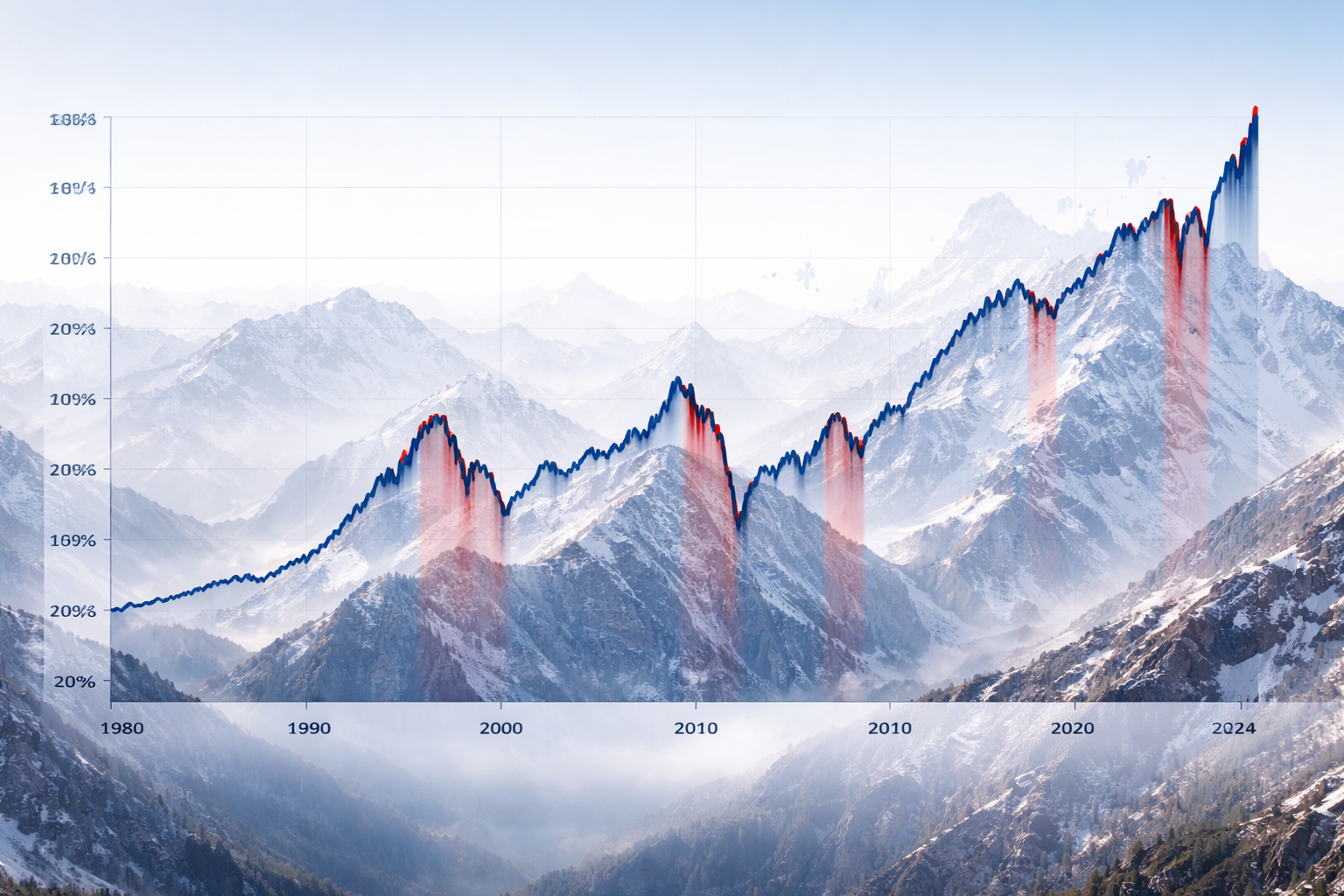
In every cycle, the Australian property market has faced headwinds—rising costs, tightening finance, and global uncertainty. Yet history is unequivocal: downturns are temporary, but well-positioned assets and disciplined strategies endure. For property professionals, financiers, and investors, this is not the time to retreat, but to remain measured, strategic, and optimistic. Opportunities are often forged in periods of constraint. Markets recalibrate, sentiment shifts, and momentum returns—always. Those who stay the course, maintain conviction, and play the long game are consistently the ones best placed when the cycle turns. Resilience now is the foundation for future growth.
In every cycle, the Australian property market has faced headwinds—rising costs, tightening finance, and global uncertainty. Yet history is unequivocal: downturns are temporary, but well-positioned assets and disciplined strategies endure. For property professionals, financiers, and investors, this is not the time to retreat, but to remain measured, strategic, and optimistic. Opportunities are often forged in periods of constraint. Markets recalibrate, sentiment shifts, and momentum returns—always. Those who stay the course, maintain conviction, and play the long game are consistently the ones best placed when the cycle turns. Resilience now is the foundation for future growth.
It’s not all doom and gloom
It’s not all doom and gloom
The escalating conflict involving Iran is sending shockwaves through global financial markets, and while Australia is geographically distant, the economic ripple effects are already being felt. For investors, financiers and property developers, the key transmission channels are energy prices, inflation and interest rates.
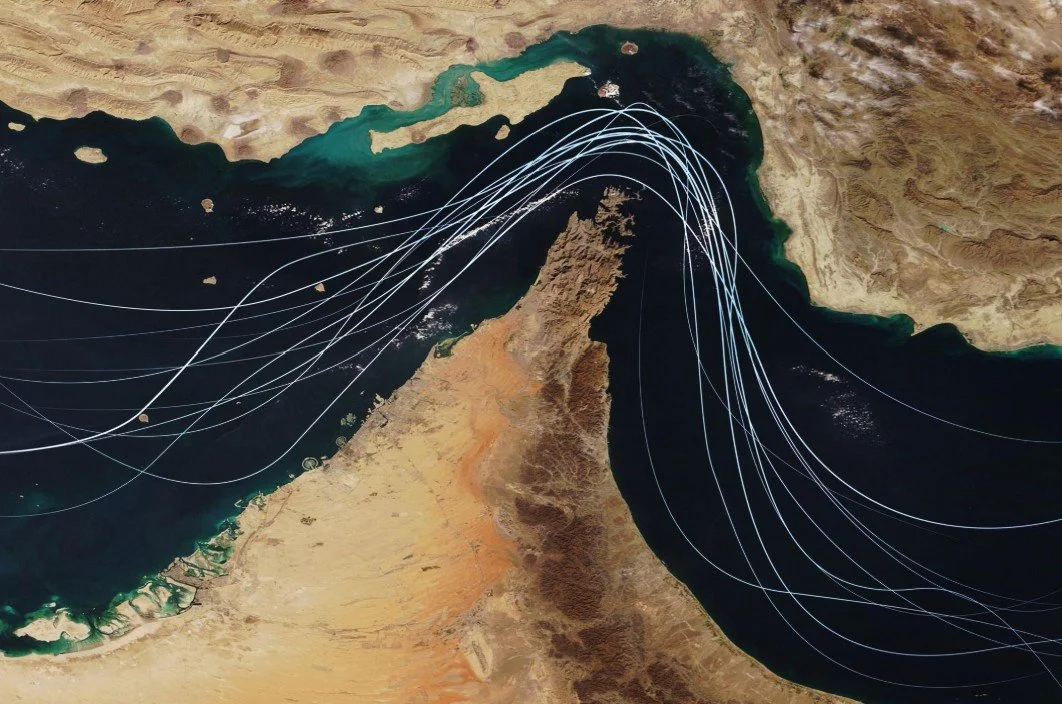
The Middle East remains central to global oil supply. Disruptions in the region have pushed oil prices above US$100 per barrel and triggered concerns about supply routes such as the Strait of Hormuz, through which roughly 20% of global oil passes. Higher fuel prices flow directly into Australian inflation through transport, construction costs and consumer spending.
As inflation rises, the Reserve Bank of Australia has already responded by increasing interest rates, pushing the cash rate to around 4.1% to contain price pressures. For the property market, this matters because higher rates reduce borrowing capacity and can dampen short-term buyer demand.
However, history suggests Australian property tends to remain resilient during periods of global uncertainty. During previous crises—from the Global Financial Crisis to the COVID-19 pandemic—capital often moved away from volatile equities into tangible assets such as property.
For sophisticated investors, the Iran conflict may therefore create both risk and opportunity. While higher interest rates may temporarily soften demand, Australia’s structural housing shortage and population growth continue to underpin long-term property fundamentals.
For developers and investors aligned with Structure Property, the key takeaway is clear: geopolitical shocks may influence market timing, but the underlying investment thesis for well-located Australian property remains strong.
The escalating conflict involving Iran is sending shockwaves through global financial markets, and while Australia is geographically distant, the economic ripple effects are already being felt. For investors, financiers and property developers, the key transmission channels are energy prices, inflation and interest rates.
The Middle East remains central to global oil supply. Disruptions in the region have pushed oil prices above US$100 per barrel and triggered concerns about supply routes such as the Strait of Hormuz, through which roughly 20% of global oil passes. Higher fuel prices flow directly into Australian inflation through transport, construction costs and consumer spending.
As inflation rises, the Reserve Bank of Australia has already responded by increasing interest rates, pushing the cash rate to around 4.1% to contain price pressures. For the property market, this matters because higher rates reduce borrowing capacity and can dampen short-term buyer demand.
However, history suggests Australian property tends to remain resilient during periods of global uncertainty. During previous crises—from the Global Financial Crisis to the COVID-19 pandemic—capital often moved away from volatile equities into tangible assets such as property.
For sophisticated investors, the Iran conflict may therefore create both risk and opportunity. While higher interest rates may temporarily soften demand, Australia’s structural housing shortage and population growth continue to underpin long-term property fundamentals.
For developers and investors aligned with Structure Property, the key takeaway is clear: geopolitical shocks may influence market timing, but the underlying investment thesis for well-located Australian property remains strong.